
Selecting the best flooring system for food processing plants directly impacts safety, hygiene, and long-term operational costs. The wrong choice leads to contamination risks, frequent repairs, and regulatory violations. Your flooring must withstand thermal shock, chemical exposure, heavy machinery, and rigorous sanitation protocols while maintaining a slip-resistant, bacteria-free surface.
Food processing plant flooring faces unique challenges that standard industrial floors cannot handle. You need a system that meets USDA and FDA standards, resists moisture penetration, and survives daily washdowns with hot water and harsh cleaning agents. The flooring must also endure temperature extremes from freezer areas to high-heat processing zones.
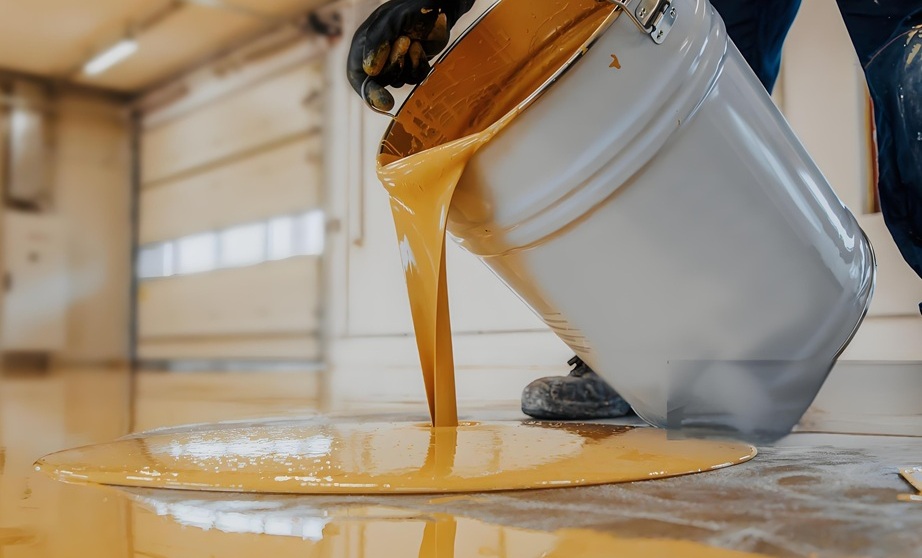
This article examines the performance characteristics of different flooring systems available for food facilities. You’ll discover how various materials compare across critical factors like durability, sanitation, cost, and application requirements. We’ll analyze which systems work best for specific food industry segments and functional areas within your plant.