Epoxy Color-Sand Self-Leveling Flooring
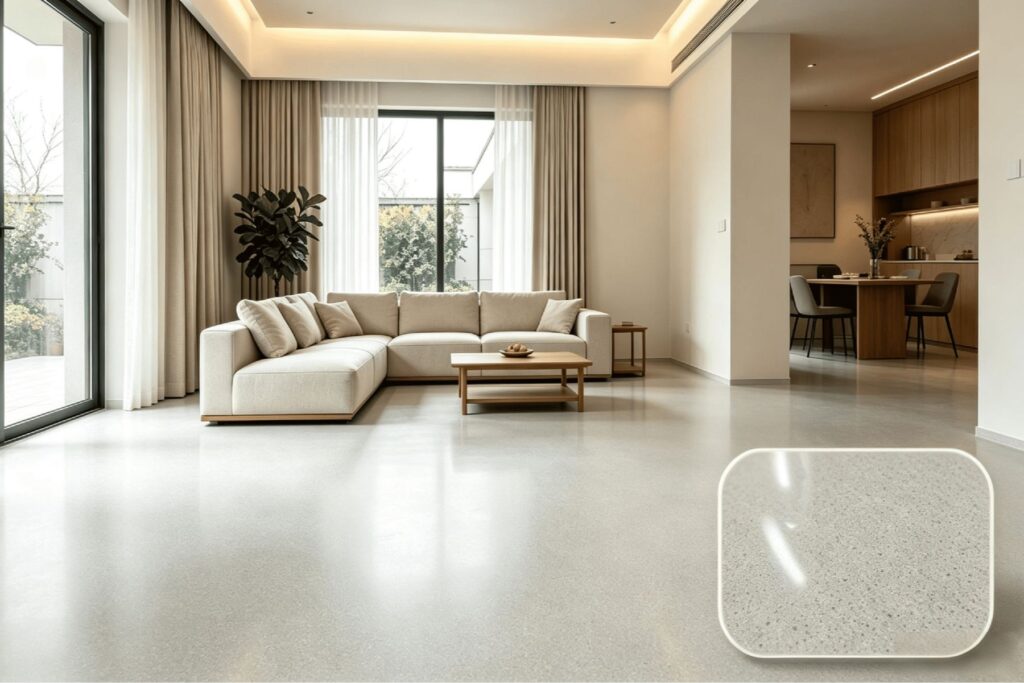
A decorative flooring system combining colorful quartesandwith a smooth, seamless finish for modern commercialand resldential spaces.
Why Choose Keyenli Epoxy Color-Sand Self-Leveling Flooring
Keyenli epoxy color-sand self-leveling flooring combines decorative appeal with durability and easy maintenance. With a range of colors and sand textures, it creates a seamless, modern finish for commercial and residential interiors. As a professional coating solution provider, Keyenli offers reliable materials, customized flooring solutions, and technical support to help you achieve the right results for your project.
Seamless Surface
No grout lines,smoothand elegant surface.
Decorative Versatility
Muitiple colors and sandtextures for unique designs.
Durable Surface
Withstands dally usewhen correctly installed.
Easy Maintenance
Smooth and sealed surface for simple cleaning.
What Is Epoxy Color-Sand Self-Leveling Flooring
Transform Your Floors with Color and Texture.
Epoxy color-sand self-leveling flooring is a decorative flooring system that combines high-performance epoxy resin with colored quartz sand to create a seamless, durable, and visually appealing surface. With a wide range of colors and sand textures, it offers excellent design flexibility, allowing you to create unique flooring effects that complement different interior styles. The smooth, continuous surface provides a modern appearance while making daily cleaning and maintenance easier.
When properly applied to a well-prepared substrate, the system offers reliable adhesion, good wear resistance, and long-lasting decorative performance. It is an ideal flooring solution for retail stores, showrooms, cafés, restaurants, offices, salons, and other commercial and residential interiors where aesthetics, durability, and ease of maintenance are equally important. Keyenli provides professional flooring materials and technical support to help customers select suitable systems for their specific project requirements.

Epoxy Color-Sand Self-Leveling Flooring Installation Guide

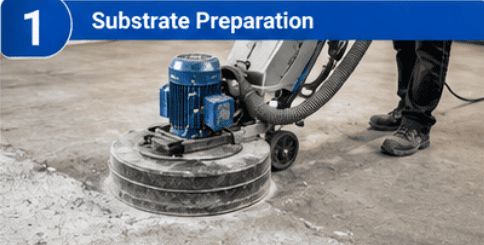
Grind, clean, and repair the substrate

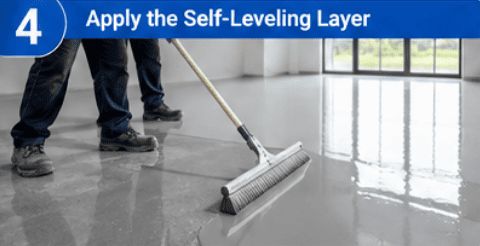
Spread evenly to achieve a smooth, consistent finish.

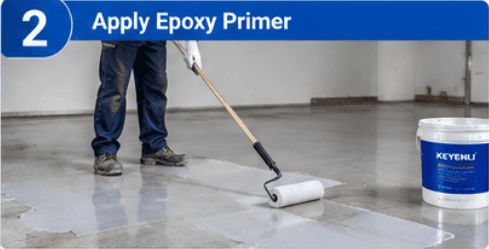
Mix components at 15:5 and apply one even coat.

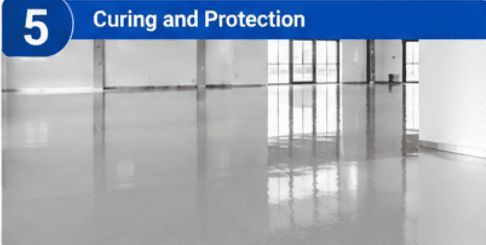
Protect the floor from dust, moisture, and foot traffic.

Mix components at 24:3 until completely uniform.

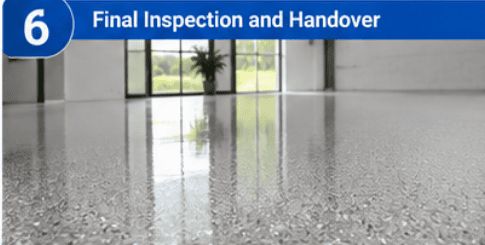
Check surface uniformity, color consistency, and visible defects.
Epoxy Color-Sand Self-Leveling Flooring Projects
Explore our epoxy color-sand flooring projects and discover how different colors and sand textures create modern, seamless, and decorative surfaces for commercial and residential interiors. From retail stores and showrooms to cafés and offices, Keyenli offers versatile flooring solutions tailored to different design styles and project requirements.

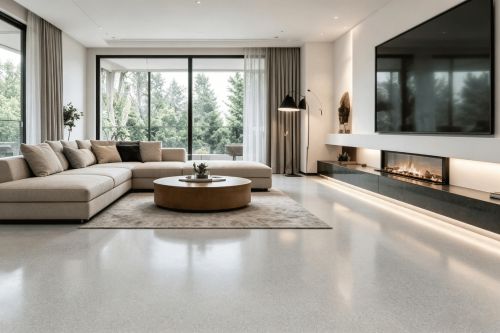
Residential Interiors

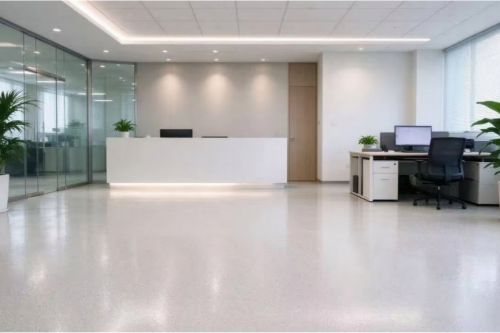
Office Spaces

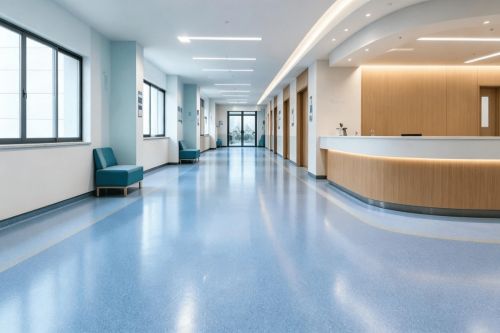
Schools & Healthcare

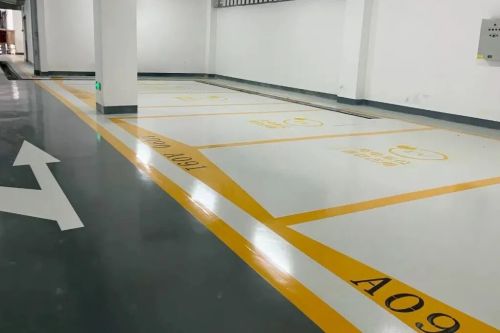
Parking Garage

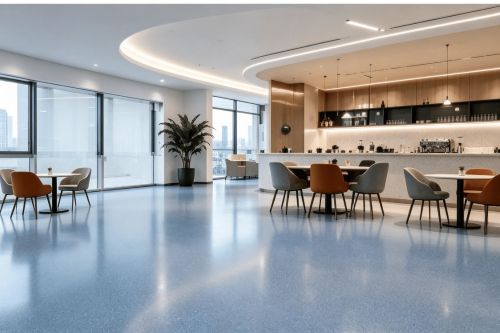
Commercial Spaces

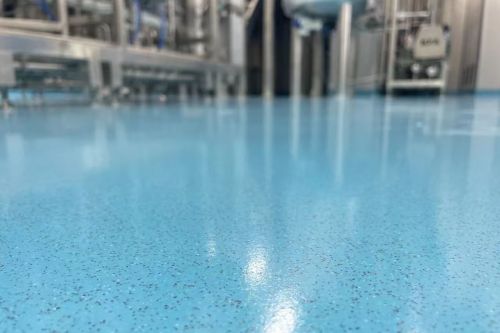
Industrial&Factory
Epoxy Color-Sand Self-Leveling Flooring FAQ
What are the key advantages over traditional flooring systems?
Epoxy color-sand self-leveling flooring offers several advantages, including low VOC emissions when using a solvent-free formulation, a wide range of customizable colors and textures, and a seamless surface that helps reduce dust accumulation. It also provides good resistance to acids and alkalis, along with a smooth, hygienic finish that is easy to clean and maintain.
Why is an epoxy primer necessary?
Epoxy primer seals the pores of the substrate, improves adhesion between the substrate and the flooring system, and helps prevent peeling or delamination. It also creates a stable foundation for the subsequent flooring layers, contributing to the overall durability and performance of the floor.
Can epoxy color-sand self-leveling flooring be applied in winter or humid weather? What precautions should be taken?
Application may be possible in winter or humid conditions, provided that the environmental conditions meet the product’s technical requirements. The following precautions are recommended:
Temperature Control: Maintain an ambient temperature of at least 10°C. Do not apply the material below 5°C.
Substrate Moisture: Ensure the substrate moisture content is no more than 8%, and verify it with a suitable moisture meter.
Material Conditioning: Keep the materials at approximately 20°C before application to help maintain suitable flow and workability.
Curing Time: Allow additional curing time in cold conditions. Curing may take approximately 30% longer than under normal conditions, depending on temperature and humidity.
Note: Always follow the product’s technical data sheet. High humidity, condensation, and damp substrates can affect adhesion and curing, so the substrate and environmental conditions should be checked before application.
What is the recommended application thickness for epoxy color-sand self-leveling flooring?
The recommended thickness generally ranges from 2–3 mm, depending on the product formulation and project requirements. If the coating is too thin, its wear resistance and durability may be compromised; if applied too thickly, it may increase the risk of cracking or other surface defects. Use a suitable screed or leveling tool to achieve a consistent thickness and an even finish. Always follow the manufacturer’s technical data sheet for the recommended application thickness.
How long does epoxy color-sand self-leveling flooring take to cure before use?
Under normal temperature conditions, the surface is typically dry to the touch within 24 hours and can withstand light foot traffic after approximately 72 hours. Full curing generally takes around 7 days. During this period, avoid heavy loads, impacts, and other activities that could damage the surface. Actual drying and curing times may vary depending on temperature, humidity, and the product formulation. Always refer to the manufacturer’s technical data sheet for specific guidance.
What causes localized bubbling or delamination in epoxy color-sand self-leveling flooring, and how can it be repaired?
Bubbling or delamination may be caused by excessive substrate moisture, insufficient mixing of the materials, trapped air during application, or poor adhesion due to inadequate substrate preparation.
To repair the affected area, remove all bubbled or detached material, grind and clean the substrate, apply a suitable epoxy primer, and then reapply the epoxy color-sand layer to restore the surface. Ensure the repaired area is properly cured before use.
Note: Identify and address the underlying cause before repairing the floor to help prevent the problem from recurring. Always follow the manufacturer’s recommended repair procedures and technical guidelines.
Transform Your Floors with Decorative Epoxy Color-Sand Flooring
Seamless wall finishes designed to bring lasting beauty and modern character to every space