
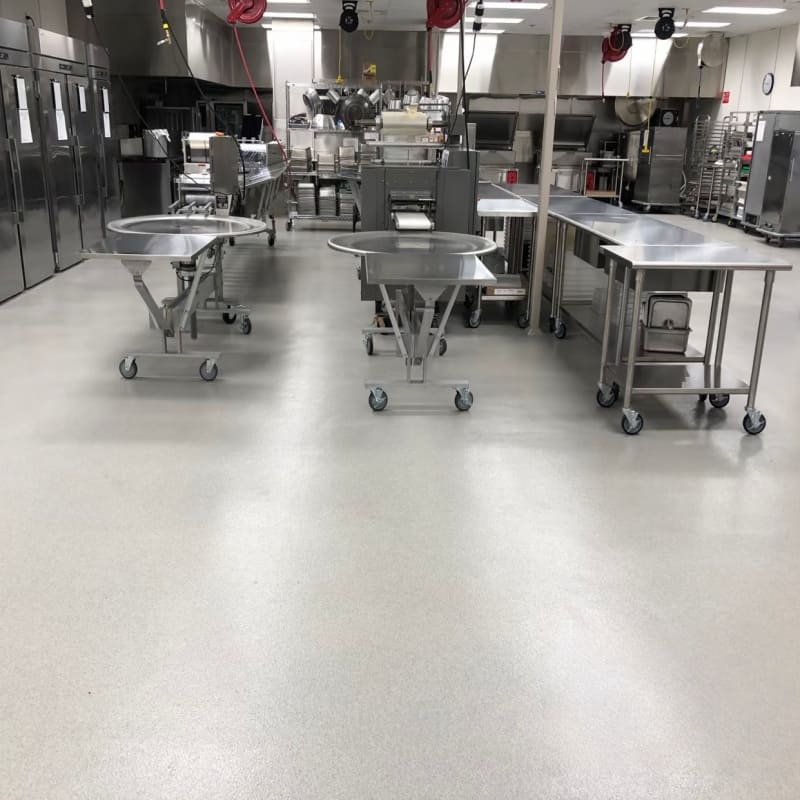
Polyurethane Mortar Flooring System
Heavy Duty | Thermal Shock Resistant | Hygienic | Chemical Resistant
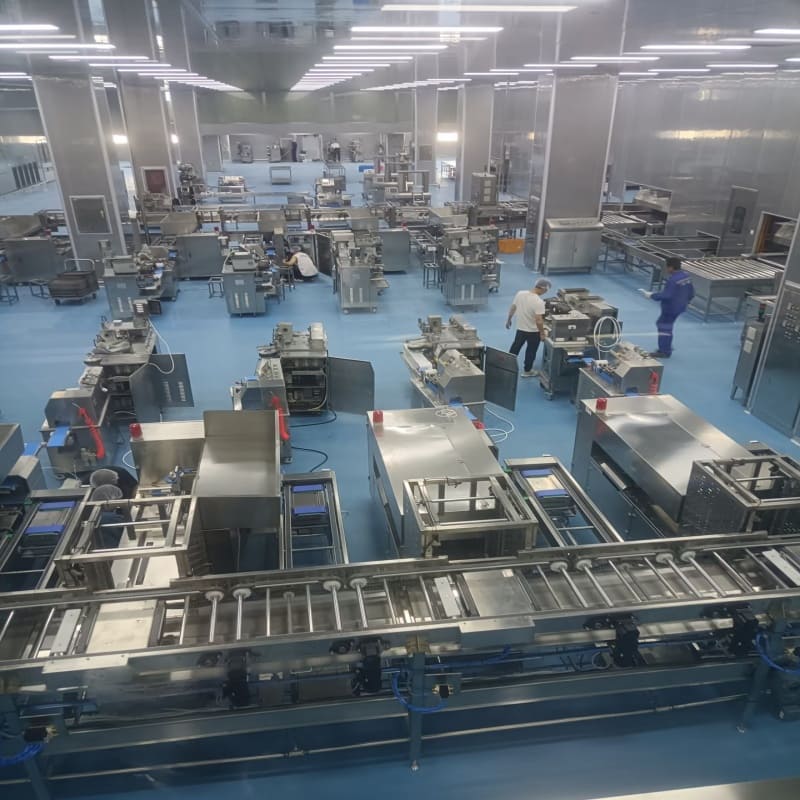
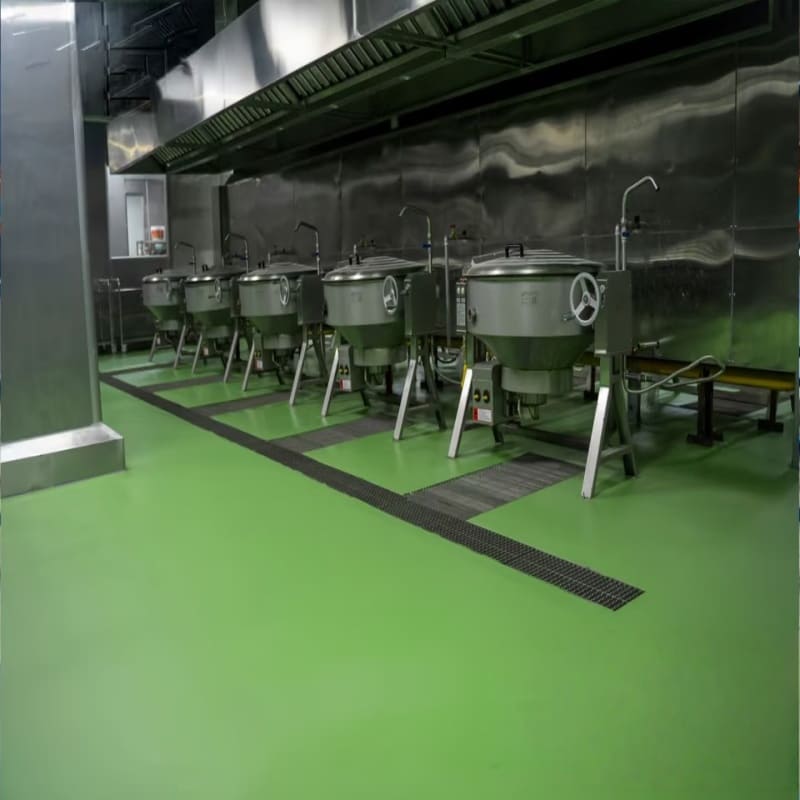
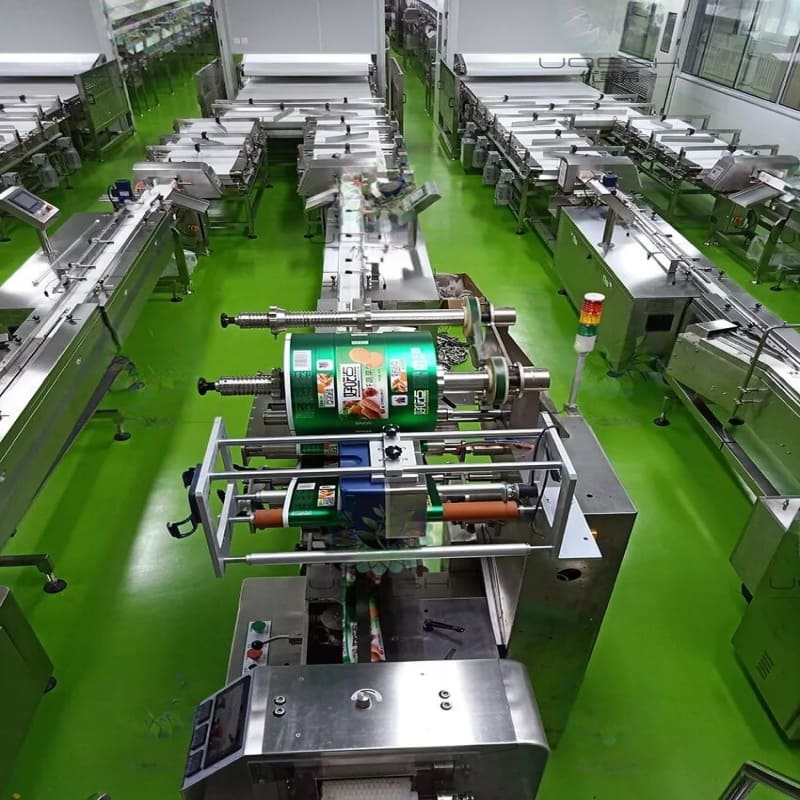
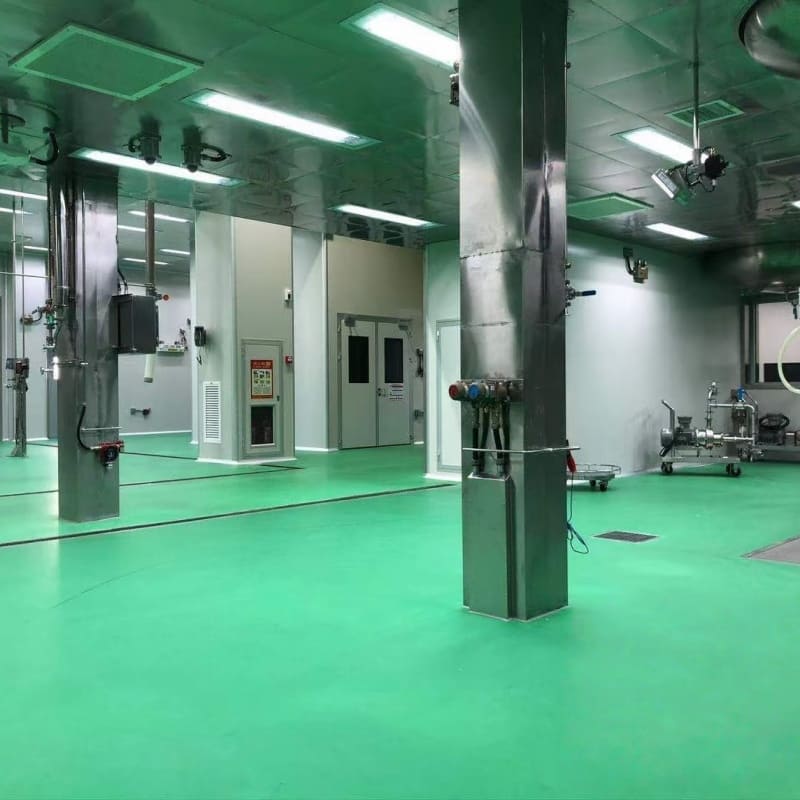
Polyurethane Mortar Flooring System is a heavy-duty flooring system designed for food processing plants, pharmaceutical facilities, commercial kitchens, and other demanding industrial environments. It provides excellent thermal shock resistance, chemical resistance, impact resistance, and long-term durability.
 Thickness: 6.0–9.0 mm
Service Life: 10-15 Years
Temperature Resistance: -40°C to 160°C
Class A Fire Rating & Low VOC
Glossy or Matte Finish Available
Excellent Chemical & Abrasion Resistance
Seamless Decorative Finish
Creates a smooth, elegant, and visually appealing surface.
Impact Resistance
Handles heavy equipment and mechanical loads.
Heavy-Duty Performance
Designed for heavy traffic, pallet trucks, and forklifts.
Chemical Resistance
Resists acids, alkalis, oils, fats, and cleaning agents.
Hygienic Surface
Seamless flooring helps maintain strict hygiene standards.
Slip Resistant Finish
Improves workplace safety in wet environments.
Moisture Tolerant
Can be installed on damp concrete substrates.
Long Service Life
Engineered for demanding industrial operations.
Polyurethane Mortar Flooring System Technical Specifications
Polyurethane Mortar Flooring Systemis engineered for food processing plants, commercial kitchens, pharmaceutical facilities, breweries, and other demanding industrial environments requiring superior durability, hygiene, and chemical resistance.
| Technical Property | Performance Value |
|---|---|
| Fire Rating | A-Level |
| Total VOC Emissions | 2.6 mg/m³ |
| Formaldehyde Emission | 0.02 mg/m³ |
| Compressive Strength (7 Days) | 50.2 MPa |
| Vicat Softening Point | 164.1°C |
| Abrasion Resistance (750g / 500r) | 0.094 g |
| Impact Resistance (1000g Steel Ball) | No Cracks or Peeling |
| Slip Resistance (Dry Friction Coefficient) | 0.74 |
| Water Resistance (168 Hours) | No Blistering or Peeling |
| Chemical Resistance | No Blistering or Peeling |
Food Processing Plants
Beverage Production Facilities
Pharmaceutical Plants
Commercial Kitchens
Dairy Processing Plants
Meat Processing Facilities
Cold Storage Facilities
Breweries
Warehouses
Polyurethane Mortar Flooring System Installation Process
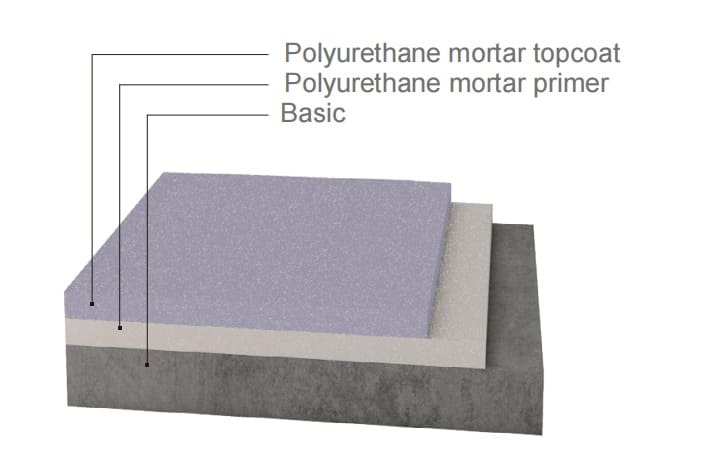
1.Surface Preparation
Concrete grinding, crack repair, and dust removal.
2.PU Mortar Base Coat
Apply polyurethane mortar base layer for strength and durability.
3.PU Mortar Top Layer
Trowel and level the polyurethane mortar mixture evenly.
4.Curing & Finished Floor
Form a seamless, hygienic, chemical-resistant floor surface.
1.Primer Coat Coverage: 2.0–3.0 kg/m²
2.Top coat Coverage: 4.0–5.0 kg/m²
1.What Is Water-Based Polyurethane Mortar Flooring?
Water-Based Polyurethane Mortar Flooring is a high-performance industrial flooring system formulated with water-based polyurethane resin, specially formulated cement, inorganic aggregates, and functional additives.
Through the combination of organic and inorganic components, the system forms a durable three-dimensional network that provides an excellent balance of flexibility, hardness, wear resistance, chemical resistance, and impact resistance. It is an advanced alternative to conventional epoxy flooring for demanding industrial environments.
Core Components & Technology
- Organic Component – Water-Based Polyurethane: Provides flexibility, chemical resistance, and improved resistance to cracking.
- Inorganic Components – Special Cement & Inorganic Aggregates: Provide high hardness, strength, wear resistance, and dimensional stability.
- Working Principle: The organic polymer network and inorganic structural framework work together to provide complementary performance, combining flexibility with high mechanical strength and wear resistance.
Key Performance Advantages
1. Wide Temperature Resistance & Thermal Shock Resistance
With a thermal expansion behavior closer to concrete, the system can withstand temperatures from approximately -40°C to 130°C, helping reduce the risk of cracking or delamination caused by repeated temperature changes. It is suitable for environments such as cold storage facilities and high-temperature processing areas.
2. Excellent Wear & Impact Resistance
The flooring provides high compressive and impact resistance and can withstand frequent traffic from heavy-duty forklifts and industrial equipment, helping minimize peeling, dusting, and surface damage.
3. Excellent Chemical Resistance
Its dense structure provides good resistance to acids, alkalis, salts, solvents, oils, and common chemical cleaning agents, making it suitable for demanding food processing, chemical, and industrial environments.
4. Low-VOC, Hygienic & Easy to Clean
As a water-based system, it offers low VOC emissions and low odor. Its seamless surface minimizes areas where dirt and contaminants can accumulate and can be cleaned using high-pressure water when appropriate. It is particularly suitable for environments with high hygiene and cleaning requirements.
5. Wet & Dry Slip Resistance
The surface texture can be customized to provide enhanced slip resistance. Suitable anti-slip finishes can help maintain traction in wet, oily, or frequently washed environments and reduce the risk of slipping.
6. Fast Curing & Reduced Downtime
The system offers relatively fast curing, allowing pedestrian traffic in approximately 24 hours and heavy traffic after approximately 48 hours, depending on temperature, humidity, and site conditions. This can help shorten installation time and reduce operational downtime.
Main Applications
Food Processing & Catering
- Central kitchens
- Slaughterhouses
- Bakeries
- Dairy processing facilities
- Breweries and beverage production areas
- Areas requiring frequent hot-water cleaning and high hygiene standards
Pharmaceutical & Cleanroom Facilities
- GMP cleanrooms
- Biopharmaceutical laboratories
- Medical device manufacturing areas
- Areas requiring hygienic, seamless, and easy-to-clean flooring
Cold Chain Logistics & Warehousing
- Cold storage facilities
- Freezer rooms
- Food processing areas exposed to low temperatures
- Areas requiring resistance to thermal cycling and heavy traffic
Chemical & Heavy Industrial Facilities
- Chemical processing plants
- Heavy-duty workshops
- Manufacturing facilities
- Areas requiring chemical resistance and high mechanical durability
Installation Features
- The concrete substrate should be properly prepared through grinding, shot blasting, or other suitable mechanical methods to ensure a strong and sound base.
- The system consists of multiple components, such as the main component, pigment, curing component, and aggregates, which are mixed on site according to the specified ratios.
- Depending on the system design, the material is applied using a trowel or screed, followed by the use of a spike roller where required to release trapped air and improve surface uniformity.
- Once cured, the system forms a seamless, dense, and durable flooring surface.
2.How should polyurethane mortar flooring be cleaned and maintained?
Daily cleaning is simple and straightforward:
- Regular stains: Use clean water and a neutral detergent with a mop or floor scrubber.
- Oil stains: Pre-treat the affected area with a suitable degreaser, then clean thoroughly.
- Stubborn stains: Use a soft-bristle brush together with a neutral detergent to gently scrub the surface.
Note: Avoid prolonged or frequent use of highly acidic or alkaline cleaning products. Although polyurethane mortar flooring offers excellent chemical resistance, continuous exposure to highly corrosive cleaning agents may accelerate the aging of the protective topcoat.
3.How soon can the floor be put into use after installation?
The recommended time before use depends on the type of traffic and the ambient conditions:
- Pedestrian traffic: 24 hours after installation, at an ambient temperature of approximately 20°C.
- Light traffic: After 48 hours.
- Heavy traffic, such as forklifts: 3–7 days. For greater safety, 7 days is recommended.
- Full-load operation: After 7 days.
4.How long does polyurethane cement flooring last?
- Heavy-duty industrial environments: about 10–15 years
- Normal commercial use: about 15–20 years
- With proper substrate preparation, correct thickness, professional installation, and regular maintenance, it can last 20+ years in suitable conditions.
5.Is Polyurethane Cement Flooring Resistant to High and Low Temperatures?
Yes. The system provides excellent resistance to temperature changes and thermal shock. Depending on the formulation and application, it can typically withstand temperatures from approximately -40°C to 160°C.